Mining Sites
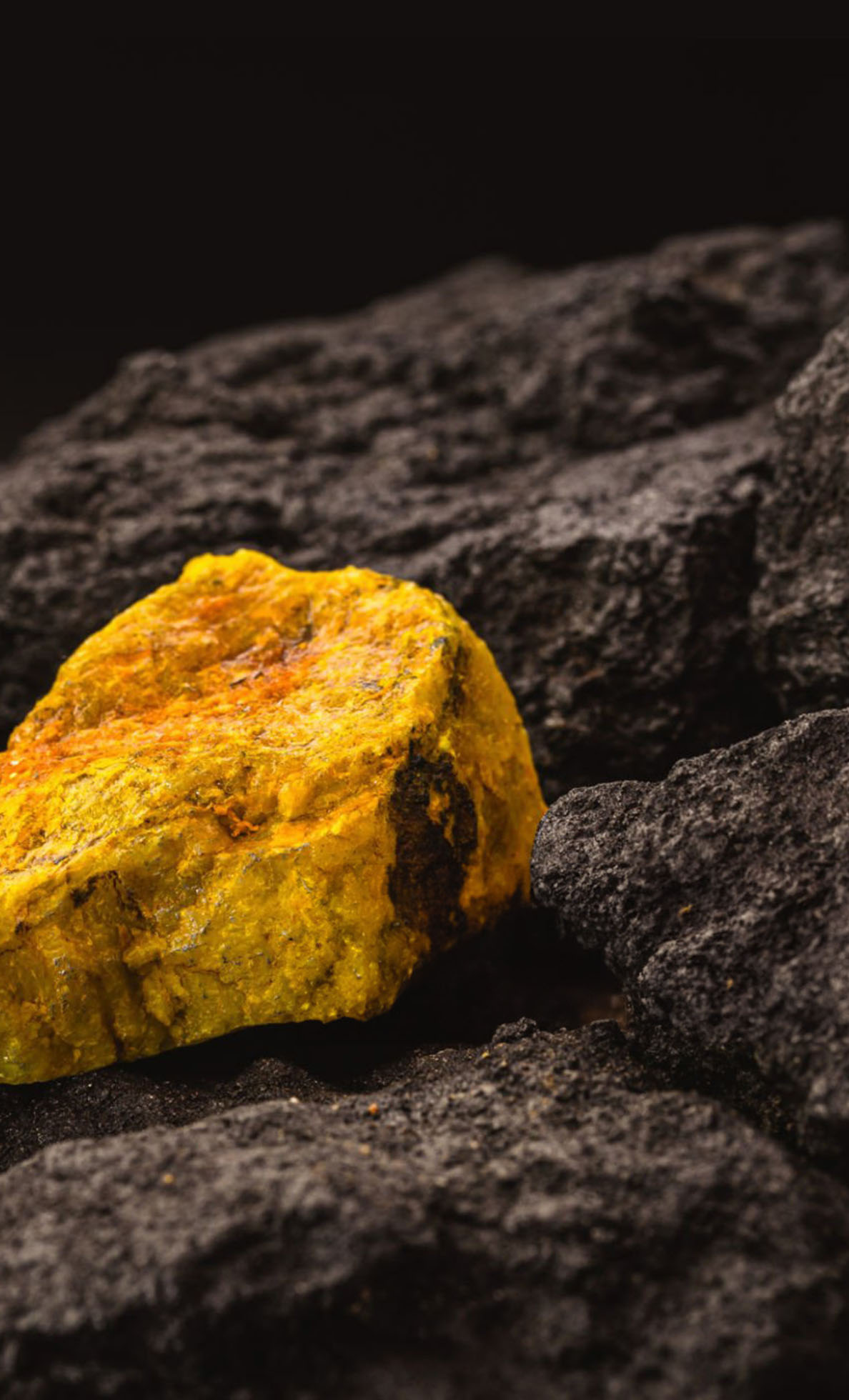
Sites where uranium and beryllium are mined. Uranium mining is the first step in creating a nuclear weapon.
Total sites since 1942
- 2,865 Sites
At a glance
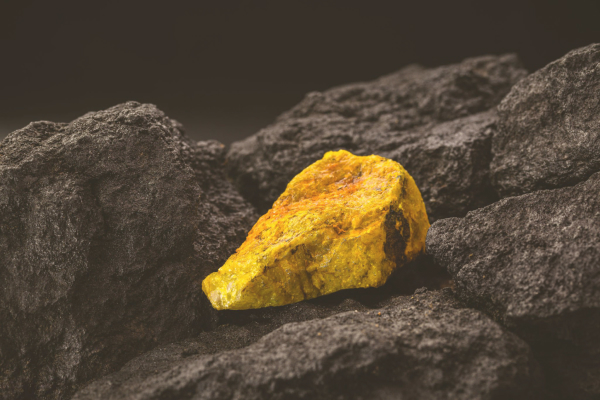
Uranium use for nuclear weapons begins with mining and extracting uranium ore; the raw material must then be refined and processed. From 1947 until 1971 the US government (through the US Atomic Energy Commission (AEC) purchased uranium for nuclear weapons production from private companies that operated mines across the Southwest and other US regions. According to the US Department of Energy (DOE), “a total of 75.9 million tons of uranium ore from domestic mines was produced for defense-related purposes during this period.” Many mines continued to operate past 1971, with the uranium ore used for other purposes. The DOE estimates that there are at least 3,472 mines that operated through 1971, but there may be others unknown to the agency as well. As of 2025, uranium mining began expanding again, with mines opening in states like Arizona and Utah. However, uranium mined today is for energy production, and not nuclear weapons.
Why you should care
Because these mines were operated by private companies, with very little government oversight and regulation, there is an ongoing lack of clarity surrounding risks and harms to workers and residents, as well as who is responsible and accountable for cleanup and compensation.
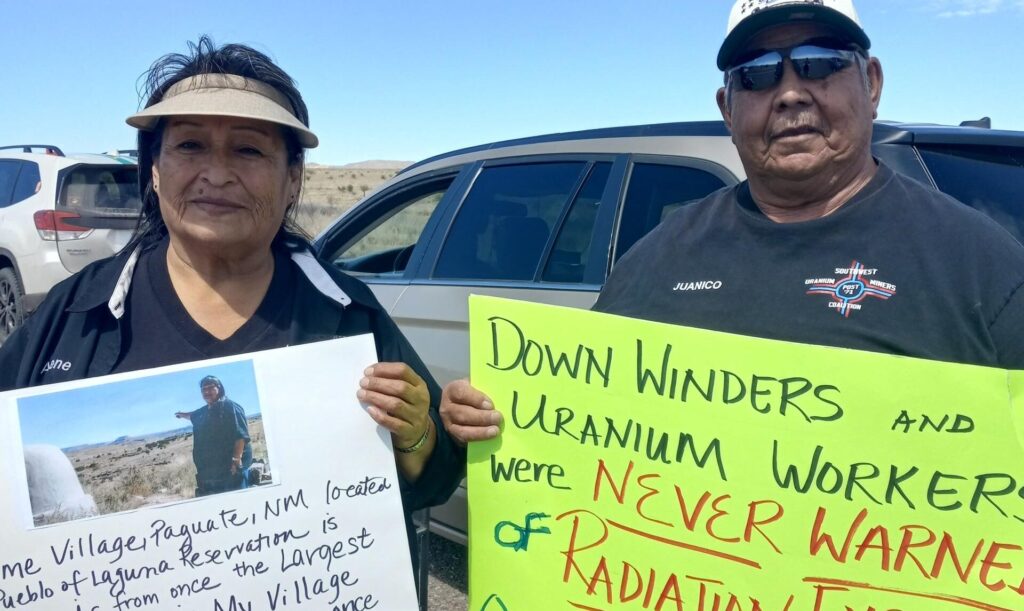
However, it is clear that uranium workers were exposed to dangerous levels of radiation on the worksite. Beginning in the 1950s, studies on US uranium miners demonstrated increased illnesses, such as cancer, and deaths linked to their exposure. Yet the US government and mining companies did not adequately communicate the risks of these activities to uranium workers or take meaningful steps to improve mine safety.
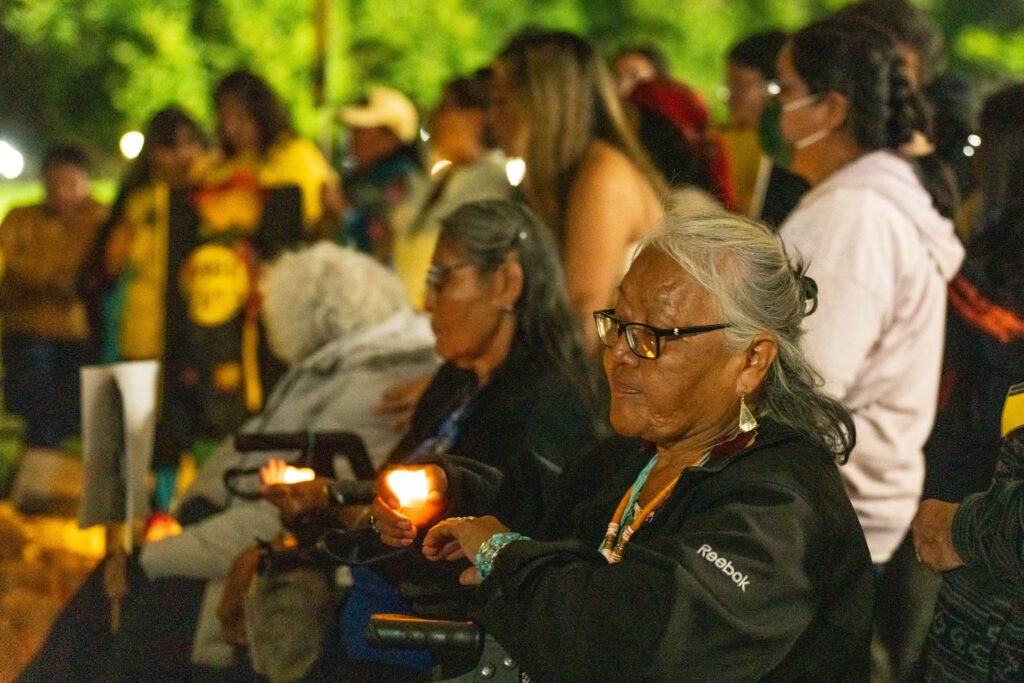
Many of these workers were Indigenous and did not speak English—today, there are over 500 abandoned uranium mines just on Diné (Navajo) land. These Indigenous workers were even less likely than their English-speaking counterparts to receive what little information was provided concerning health risks. (As an article in the American Journal of Public Health notes, “the Navajo language had no word for radiation.”) The miners, particularly Indigenous ones, would soon start developing lung cancer at disproportionately high rates.
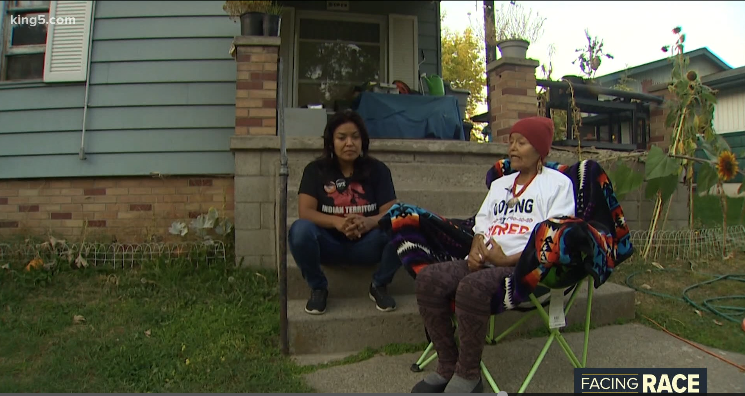
In addition, miners would often bring contaminated materials to their homes, including their work clothing, building materials, and toys for children, unwittingly exposing family and community members beyond themselves. Recent studies have found that Navajo women and infants still have high levels of uranium in their systems, even decades after uranium mining was banned on the Navajo Nation reservation.
Uranium mines also have a long legacy of contaminating the surrounding environment, including groundwater, and posing health hazards to nearby communities.
These injustices would eventually lead to the Radiation Exposure Compensation Act (RECA), which Congress passed in 1990 after decades of advocacy from miners and other impacted communities, and expanded in 2000 and 2025.
Today, there may be ongoing health risks—highest for those living closest to the site and remediation workers, and lower for off-site residents and visitors. These risks may also differ depending on the mine size, the type of mining (open-pit, underground, or in-situ), and the exposure route, which can include inhalation or ingestion of radioactive material, external radiation exposure, and groundwater contamination.