Nuclear Accidents
Unintentional events involving nuclear weapons, sometimes referred to as "broken arrows", and other accidents involving nuclear sites.

Total sites since 1942
- 21 Sites
At a glance
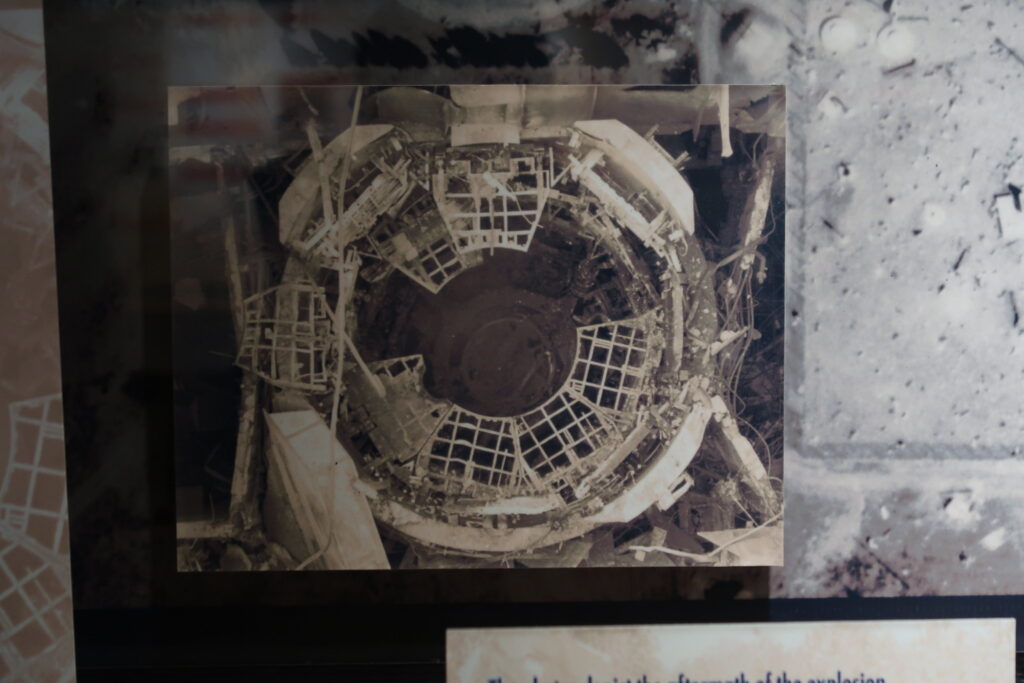
Crashes, explosions, fires, even an accident in which a nuclear bomb was dropped over North Carolina —the history of nuclear weapons in the United States is also a history of almost-catastrophic near-misses, most often during transit and testing. Only through what many experts consider to be sheer luck have we avoided devastating mass-casualty disasters that could have radically changed the environment and the health of our nation.
Why you should care
Humans make mistakes. The existence of nuclear weapons and their development, dismantling, storage, and transportation come with the associated risk of accidents, from crashes of planes carrying weapons to fires that spread radioactive materials. As recently as 2005, a mishap during the dismantling of a weapon in Texas almost led to a nuclear detonation. Even if you don’t live near a military base, lab, or uranium-processing site, hundreds of US Department of Energy (DOE) couriers use some of the nation’s busiest roads to move radioactive material. The sheer size and strength of nuclear weapons would make any accidental detonation disastrous.
At any of the sites on the map that have nuclear material, there is also always a risk of accidents that could expose workers or nearby residents to radioactive material. For example, the single largest accidental release of radiation in the United States happened on the Navajo Nation in 1979 at a mill and storage site – the Church Rock Uranium Mill Spill – which was never cleaned up or adequately studied.